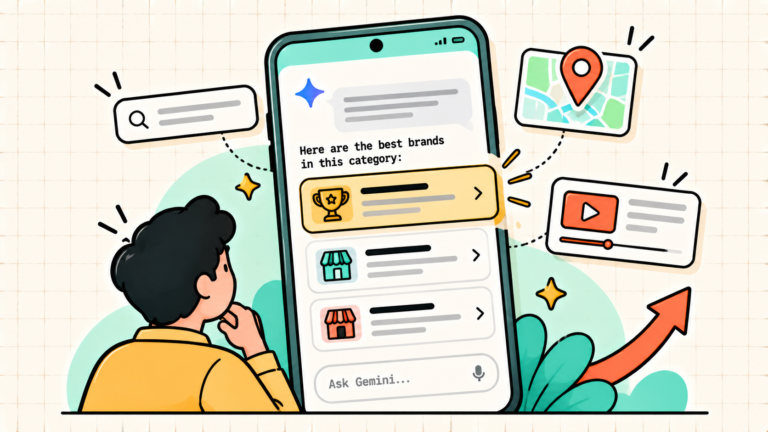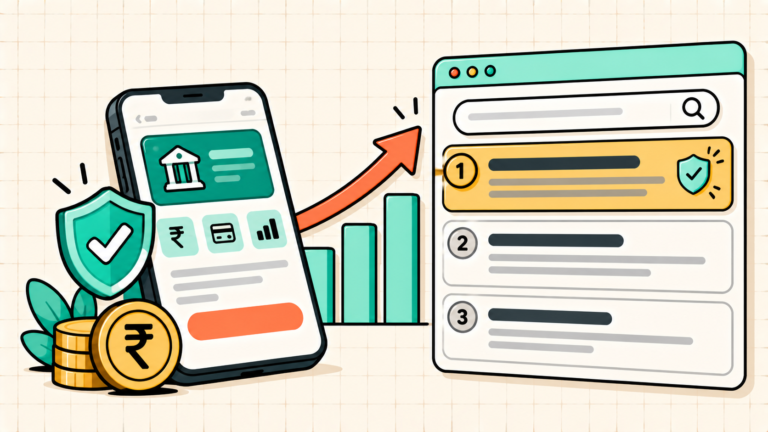
Two pages cover the same topic. Both are well-written, well-optimised, and match the search intent. One ranks on page one. The other sits on page three. The difference is not keywords or backlinks. It is trust. Google wants to rank content from sources it can trust, especially when the topic affects people's health, money, or safety. The framework it uses to think about that trust is called E-E-A-T.
This guide explains what each part means, how Google actually uses it, and the practical steps any business can take to demonstrate it, without needing a PhD or a famous brand.
What is E-E-A-T?
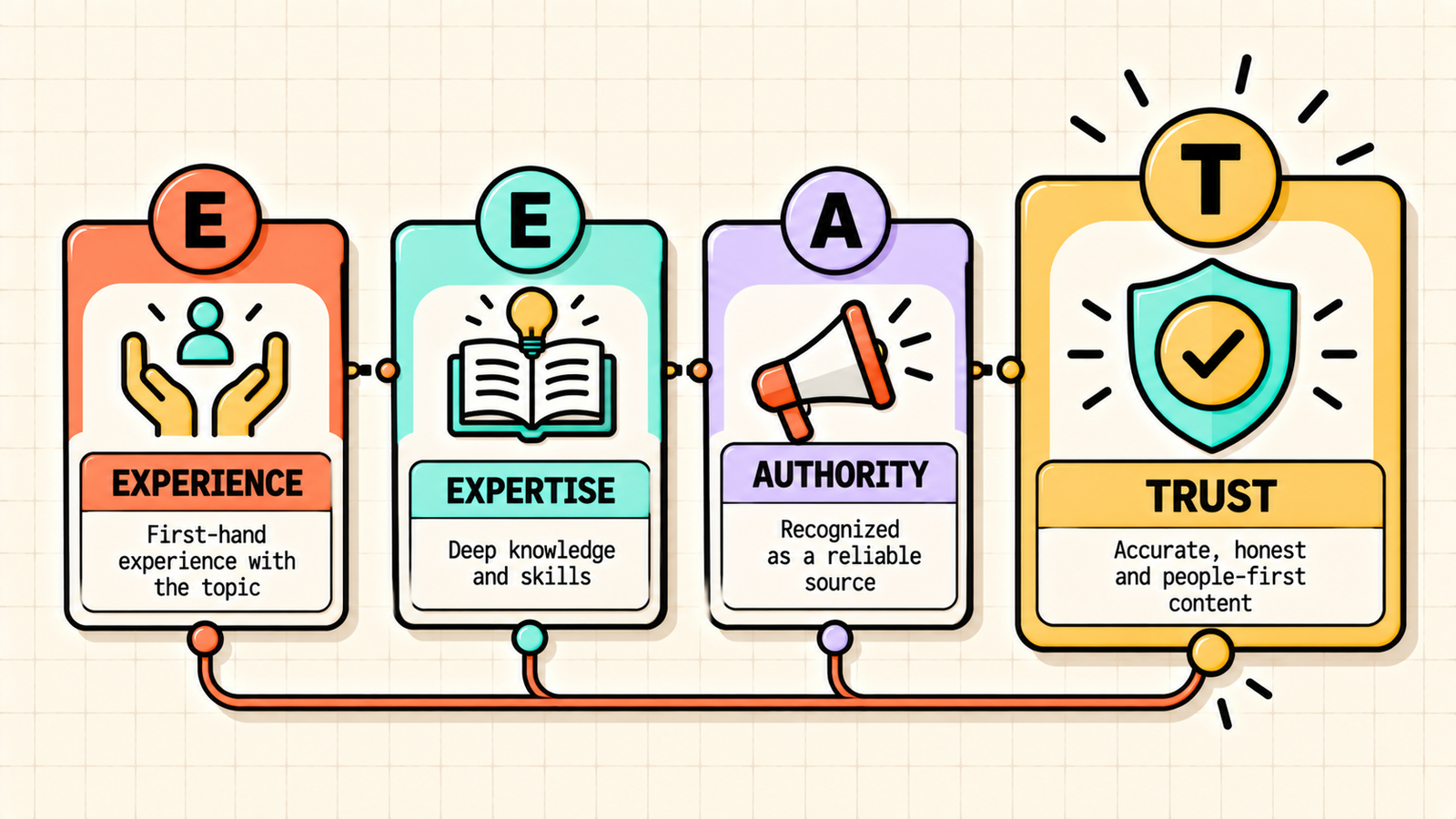
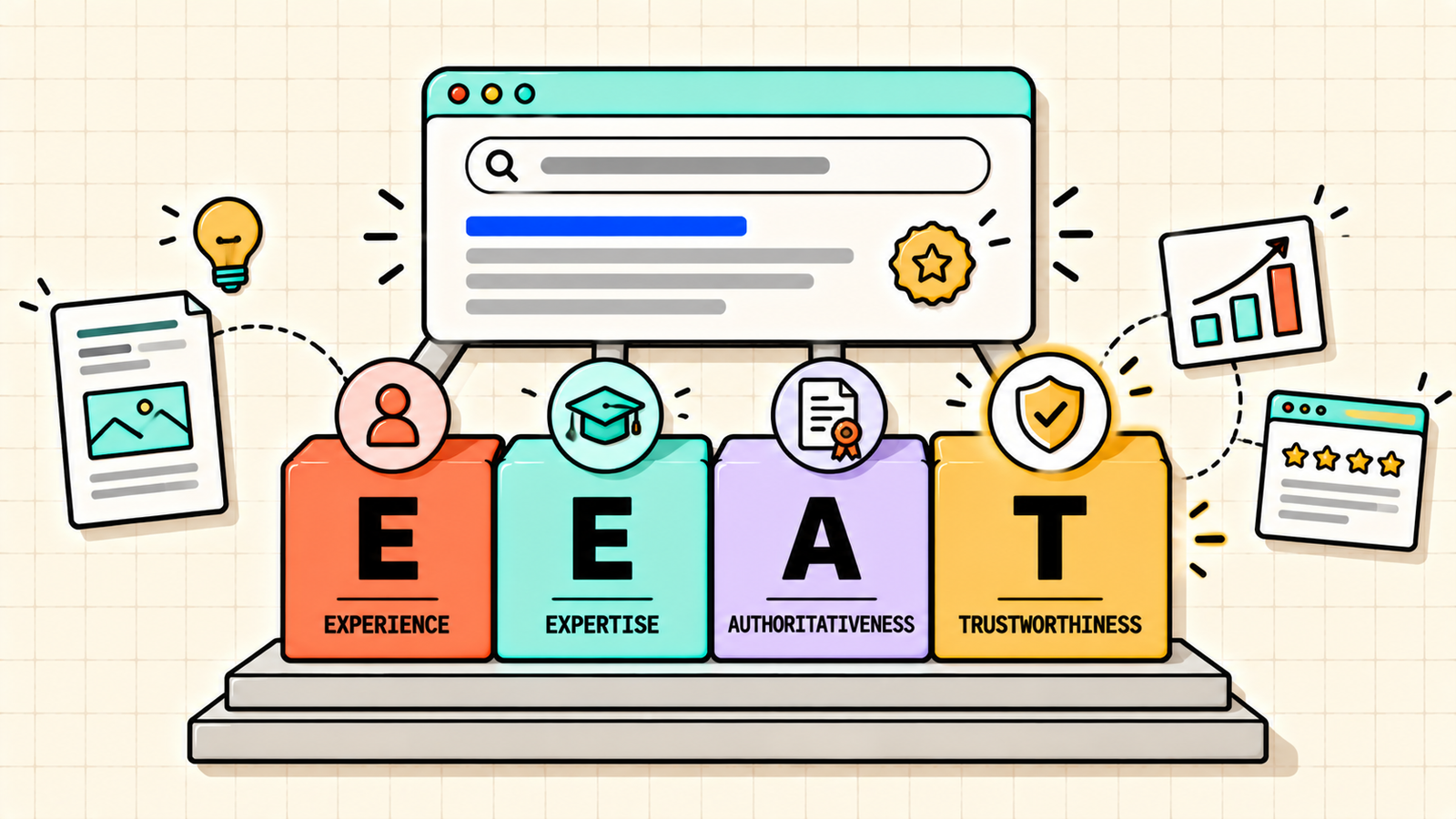
E-E-A-T stands for Experience, Expertise, Authoritativeness, and Trustworthiness. It comes from Google's Search Quality Rater Guidelines, a document Google gives to thousands of human reviewers who evaluate the quality of search results. Their ratings do not directly change rankings, but they help Google test and improve its algorithms. So E-E-A-T describes the qualities Google's systems are designed to reward.
The framework was originally E-A-T. In December 2022, Google added the extra "E" for Experience, recognising that first-hand experience with a topic is a valuable signal of quality, separate from formal expertise.
The four parts of E-E-A-T
Experience
Experience means the content creator has first-hand, real-life experience with the topic. A product review written by someone who actually used the product. A travel guide from someone who visited the place. A guide to running an SEO agency from someone who runs one. Experience shows up as specific details, original photos, personal results, and insights you can only get from doing the thing.
Expertise
Expertise means the creator has the knowledge or skill needed for the topic. For some topics this means formal qualifications: medical advice should come from doctors, legal advice from lawyers. For others, expertise is demonstrated through depth, accuracy, and a track record: a marketer with years of results is an expert in marketing without needing a degree in it.
Authoritativeness
Authoritativeness means the creator or website is recognised as a go-to source on the topic. It is about reputation: other experts cite you, reputable sites link to you, media mention you, and people search for your brand by name. Authority is built externally. You cannot declare yourself authoritative. Others have to treat you that way.
Trustworthiness
Trustworthiness is the most important part. Google's guidelines say trust is the centre of E-E-A-T, and the other three support it. A trustworthy page is accurate, honest, safe, and transparent about who is behind it. An untrustworthy page has low E-E-A-T no matter how experienced or expert the author is.
| Experience | Has the creator actually done this? | Personal examples, original photos, real results |
| Expertise | Does the creator know this subject deeply? | Accurate, thorough content, credentials where needed |
| Authoritativeness | Is this source recognised by others? | Backlinks, mentions, citations, branded search |
| Trustworthiness | Can this page and site be trusted? | Accuracy, transparency, security, clear ownership |
Is E-E-A-T a ranking factor?
Not directly, and this is where many guides get it wrong. There is no E-E-A-T score in Google's algorithm. Google has said its systems use a mix of signals that align with E-E-A-T, things like links and mentions from reputable sources, content quality signals, and site reputation. So E-E-A-T is better understood as a description of what Google is trying to reward rather than a single factor you can optimise.
The practical takeaway is the same either way: content that genuinely demonstrates experience, expertise, authority, and trust tends to rank better, because Google's systems are built to find exactly that.
What is YMYL and why does it matter?
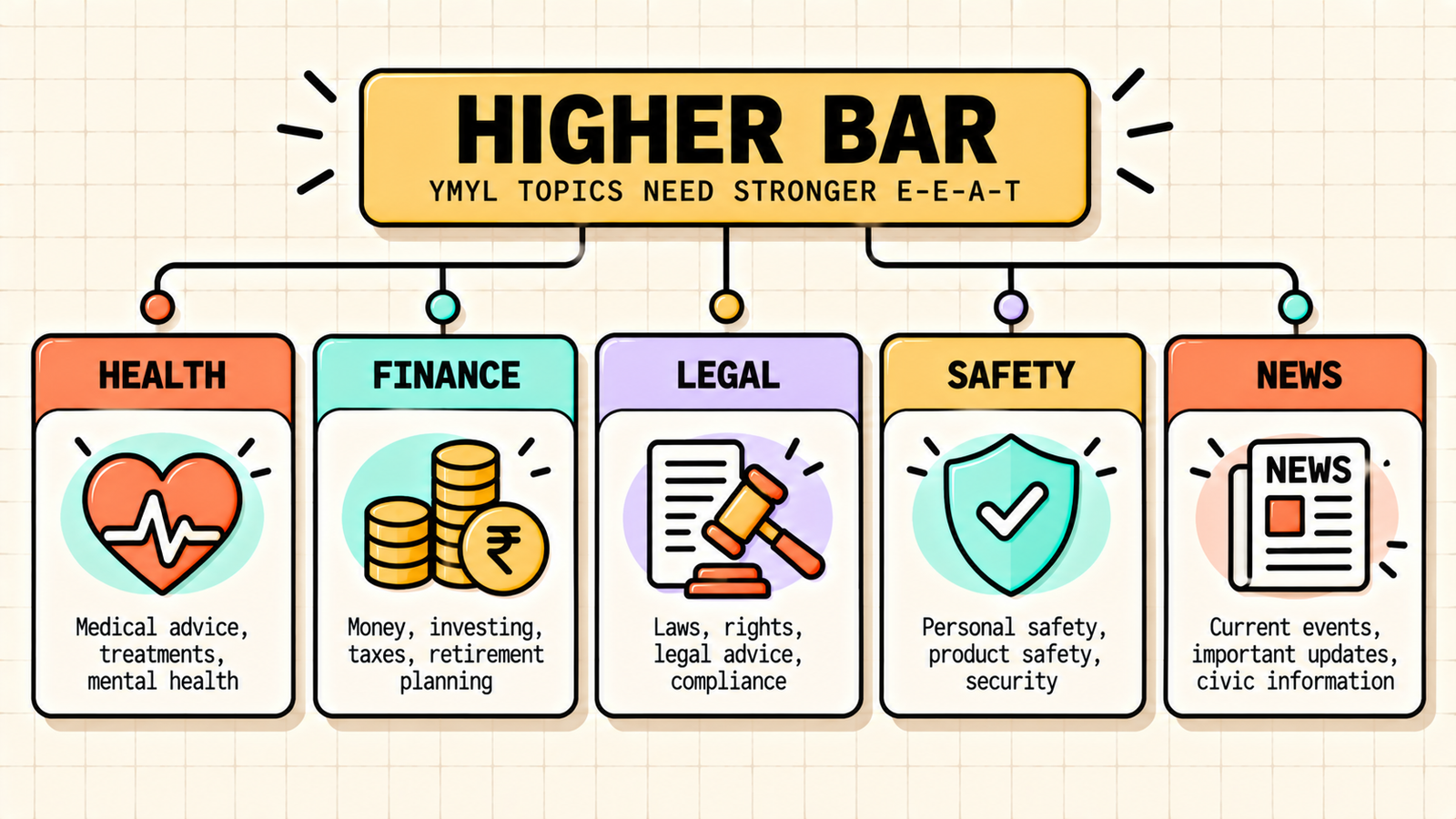
YMYL stands for "Your Money or Your Life." These are topics that could significantly affect a person's health, financial stability, safety, or wellbeing: medical information, financial advice, legal guidance, news about important events, and safety information. For YMYL topics, Google applies much higher standards of E-E-A-T, because bad information can cause real harm.
If your business is in fintech, health, wellness, insurance, legal, or education with financial stakes, you are in YMYL territory. That means credentials, accuracy, citations to reliable sources, and clear authorship matter even more. A fintech blog explaining tax rules needs to be accurate, cite official sources, and ideally be reviewed by someone qualified. A lifestyle blog about home decor has a much lower bar.
How to demonstrate Experience
Show your work. Include original screenshots, photos, data, and results from your own projects. A guide to improving Core Web Vitals with before-and-after scores from a real client site carries far more weight than generic advice.
Write from first-hand perspective. Share what you tried, what worked, what failed, and what surprised you. Specific details ("we saw a 40 percent drop after the redesign because 120 URLs were not redirected") signal genuine experience that generic content cannot fake.
Use case studies. Real examples with numbers and context are the strongest experience signal for a service business.
Avoid content you cannot speak to. If nobody on your team has experience with a topic, either find someone who does or skip it.
How to demonstrate Expertise
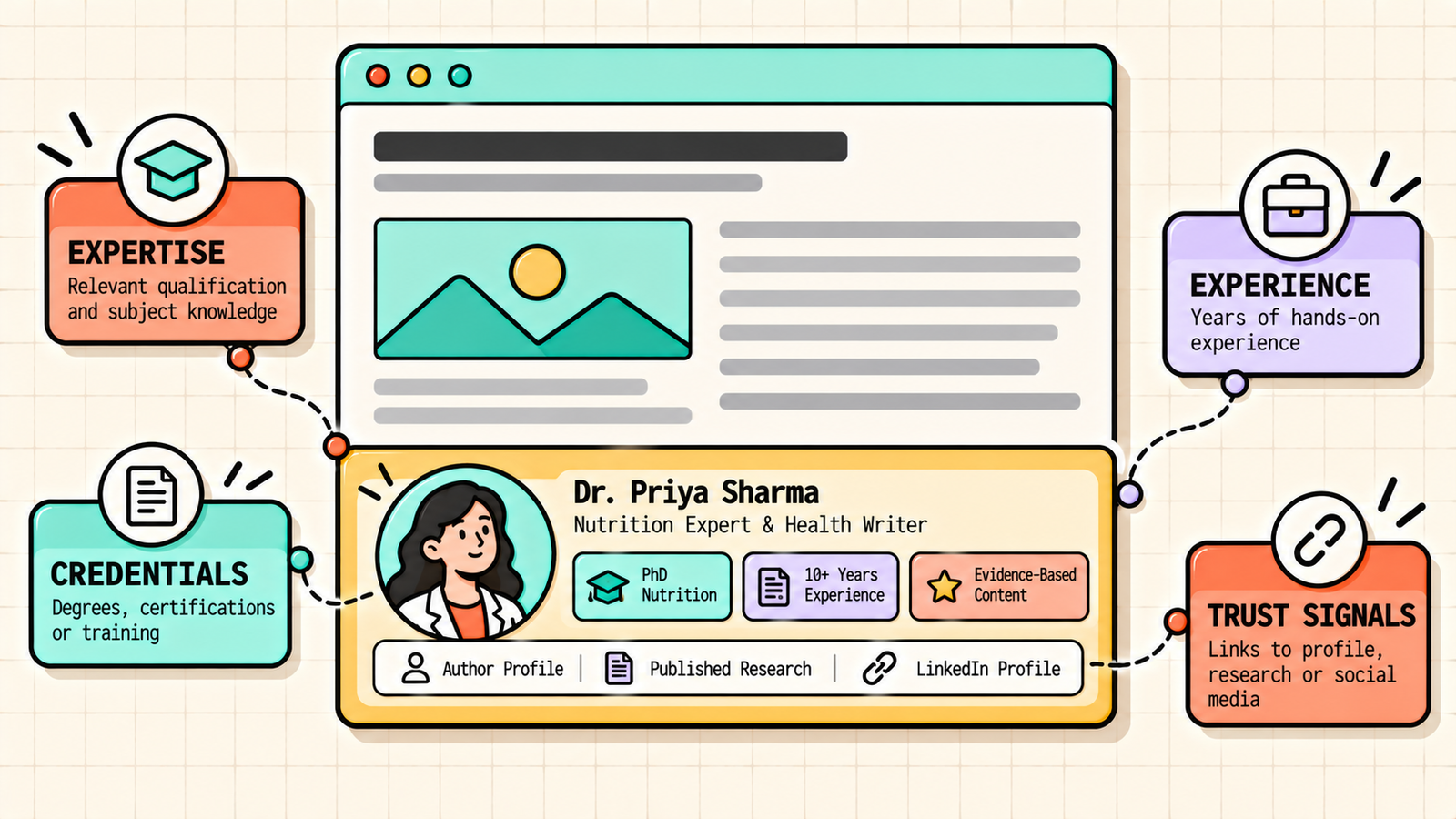
Add detailed author bios. Every article should have a named author with a bio explaining their relevant background, role, and experience. Link to an author page that lists their credentials, work, and social profiles.
Be accurate and thorough. Expertise shows in depth: covering the nuances, the exceptions, and the details a novice would miss. Fact-check claims and keep content updated.
Use expert reviewers for YMYL content. For health, finance, or legal content, have a qualified professional review it and note "Reviewed by [name, credential]" on the page.
Cite reliable sources. Link to official documentation, research, and authoritative sources where you make factual claims. It shows you know the evidence behind what you say.
How to build Authoritativeness
Earn quality backlinks. Links from respected sites in your industry are one of the strongest authority signals. Digital PR, original research, and genuinely useful resources earn them.
Get mentioned and cited. Media coverage, podcast appearances, expert quotes in articles, and industry citations all build recognition, even when they do not include a link.
Build topical authority. Publish deep, interlinked content clusters on your core topics so your site becomes a comprehensive resource rather than a collection of scattered posts.
Grow your brand. Branded searches, reviews, and social presence signal that real people know and seek out your business.
Build the author's profile too. Authors who publish elsewhere, speak at events, and have recognisable profiles add authority to everything they write.
How to build Trustworthiness
Be transparent about who you are. Have a clear About page, contact information, physical address (where relevant), and details about who runs the business.
Secure your site. Use HTTPS, keep your site free of malware and deceptive ads, and make sure it works reliably.
Publish clear policies. Privacy policy, terms of service, refund or return policies for ecommerce, and editorial policies for publishers.
Collect genuine reviews. Reviews on Google Business Profile, Trustpilot, or industry platforms provide third-party evidence that customers trust you.
Keep content accurate and current. Update outdated statistics, fix errors, and show a "last updated" date. Outdated information erodes trust.
Avoid manipulative tactics. Fake reviews, misleading claims, clickbait headlines, and hidden affiliate relationships destroy trust quickly.
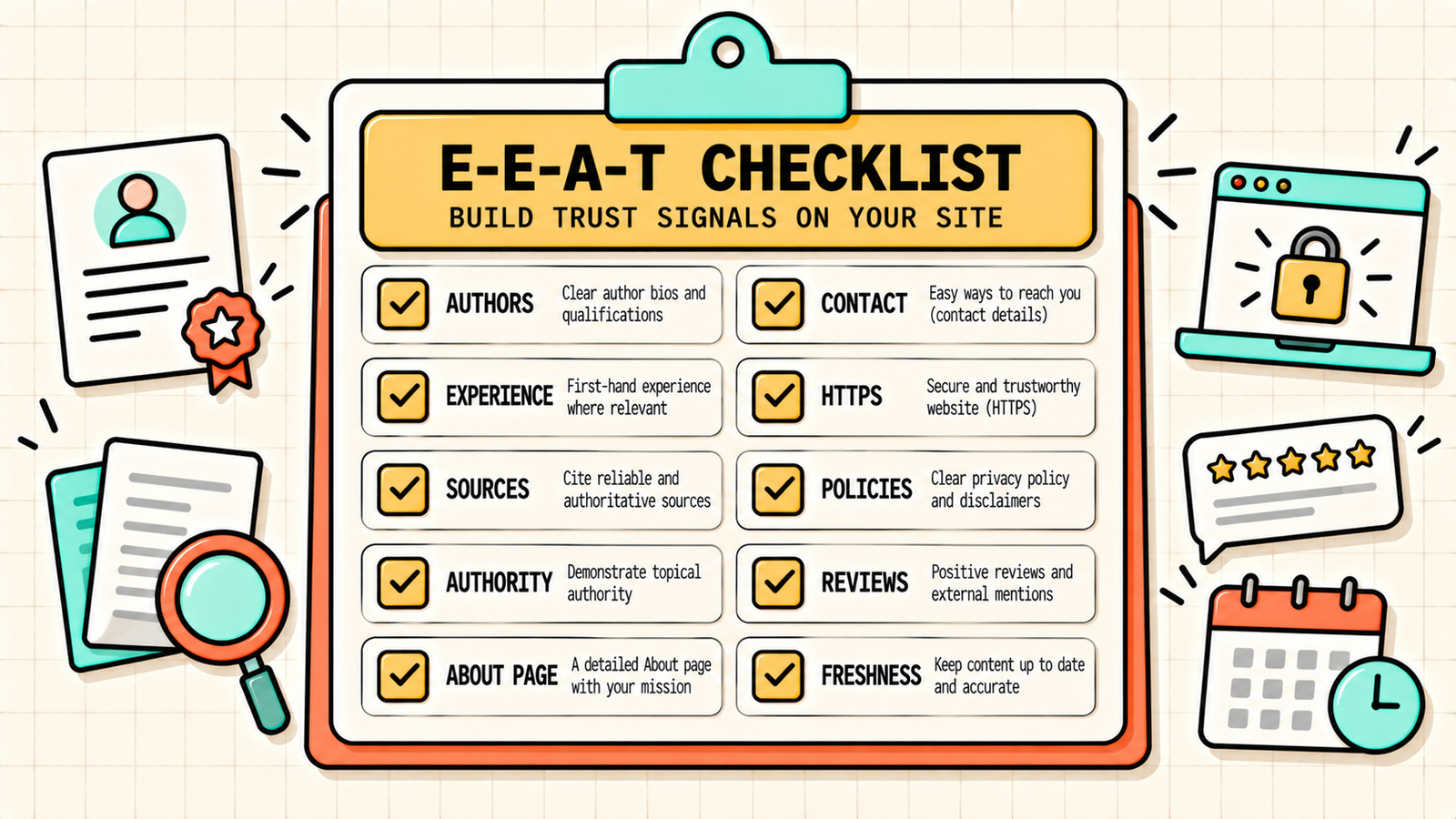
E-E-A-T checklist
| Area | Action |
|---|---|
| Authors | Named author on every post, detailed bio, author page |
| Experience | Original examples, screenshots, data, case studies |
| Expertise | Accurate, thorough content; expert review for YMYL |
| Sources | Citations to official and reliable sources |
| Authority | Quality backlinks, media mentions, topic clusters |
| About page | Clear company story, team, and credentials |
| Contact | Visible contact details and address |
| Security | HTTPS, no intrusive or deceptive ads |
| Policies | Privacy, terms, refunds, editorial policy |
| Reviews | Genuine reviews on trusted platforms |
| Freshness | Regular updates with visible last-updated dates |
| Schema | Organization and Person schema linked to content |
We'll find exactly where your site is missing trust signals.
Get a clear, data-backed plan to strengthen your E-E-A-T, build authority, and rank content Google and AI systems trust.
E-E-A-T and AI-generated content
Google has said it does not penalise content simply because AI helped create it. What matters is whether the content is helpful, accurate, and demonstrates E-E-A-T. The problem with most AI content is not that AI wrote it. It is that it lacks experience: no original examples, no real results, no first-hand perspective, and sometimes inaccurate claims.
The way to use AI responsibly is to treat it as a drafting tool, then add what only you can add: your experience, your data, your opinions, your expertise, and a careful fact-check. AI content with real human experience layered on top can meet E-E-A-T standards. Mass-produced AI content with nothing original does not.
E-E-A-T and AI search
AI search systems like Google AI Overviews, ChatGPT search, and Perplexity also need to decide which sources to trust and cite. The signals overlap heavily with E-E-A-T: recognised brands, clear authorship, accurate information, and consistent mentions across the web. Building E-E-A-T is therefore not only about traditional rankings. It is also about becoming the kind of source AI systems are comfortable quoting.
Common E-E-A-T mistakes
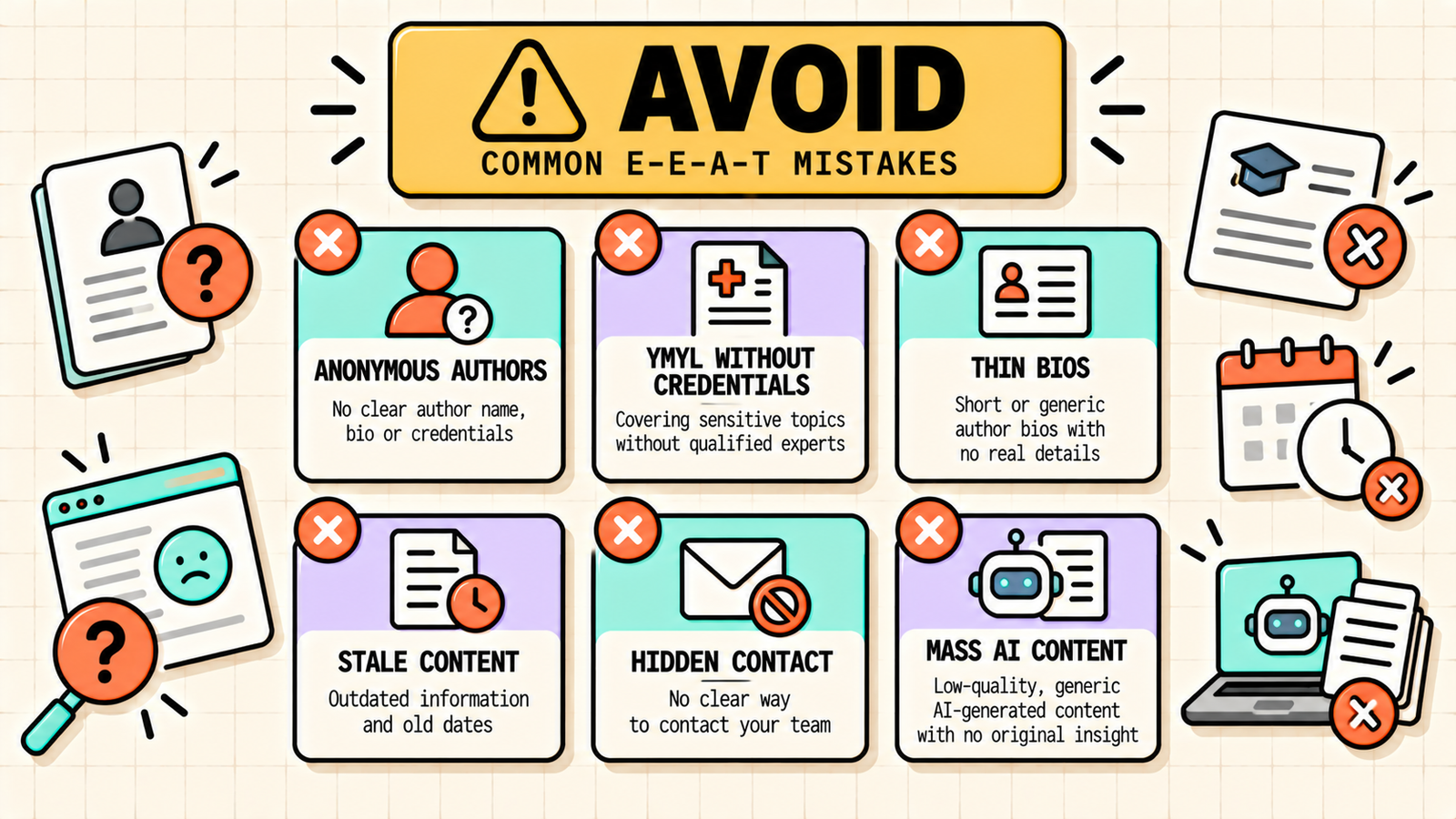
A few patterns undermine trust. Publishing anonymous content with no author or a generic "admin" byline gives Google nothing to evaluate. Writing about YMYL topics without credentials, expert review, or citations is a red flag. Using thin bios that say nothing about relevant experience wastes the opportunity. Letting old content go stale with outdated facts erodes trust. Hiding contact information or ownership details makes a site look untrustworthy. And publishing mass AI content without adding real experience produces pages that look generic and lack the signals Google rewards.
AEO Services: How to Get Your Brand Cited by ChatGPT, Gemini and Perplexity
The bottom line
E-E-A-T is Google's framework for trust: Experience, Expertise, Authoritativeness, and Trustworthiness, with trust at the centre. It is not a single ranking factor, but the signals behind it shape what ranks, especially for YMYL topics. Show real experience with original examples and results, prove expertise with named authors and accurate content, earn authority through links, mentions, and topical depth, and build trust through transparency, security, reviews, and accuracy. Do that consistently and your content becomes the kind Google and AI search systems are built to reward.
If you want experts to audit your site's E-E-A-T signals and build authority the right way, LetMeRank helps founders and brands grow trust and rankings together, starting with a free audit.