Digital Marketing
SEO for Baby Product Brands: How D2C Baby Brands Earn the Trust of New Parents
Oct 14, 2026 · 10 min
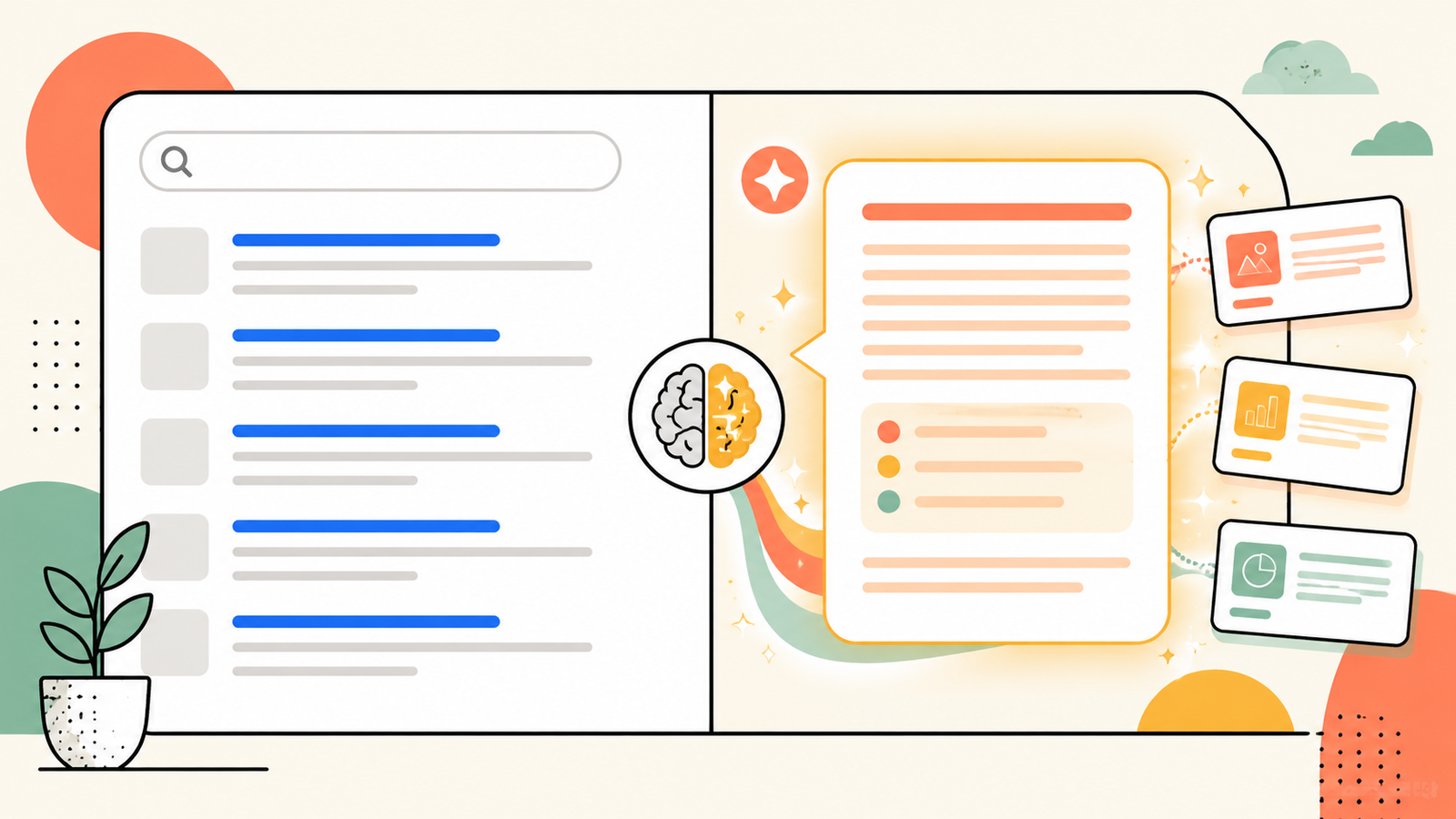
TL;DR: SEO gets you ranked in a list of blue links. AEO (Answer Engine Optimization) and its bigger sibling GEO (Generative Engine Optimization) get you quoted inside the answer that ChatGPT, Perplexity, and Google Gemini hand the user. In 2026, both matter. SEO still drives the traffic volume; AEO/GEO protects your visibility for the growing share of searches that never produce a click. If your brand isn’t in the AI answer, you’re not in the buyer’s consideration set. This guide breaks down the difference and the exact moves to get cited.
Traditional SEO optimizes for rank position — landing your page in the top 10 organic results so a human clicks through. AEO optimizes for the direct answer: featured snippets, voice results, and now AI-generated responses where the engine synthesizes a reply and names its sources.
The simplest way to hold it in your head:
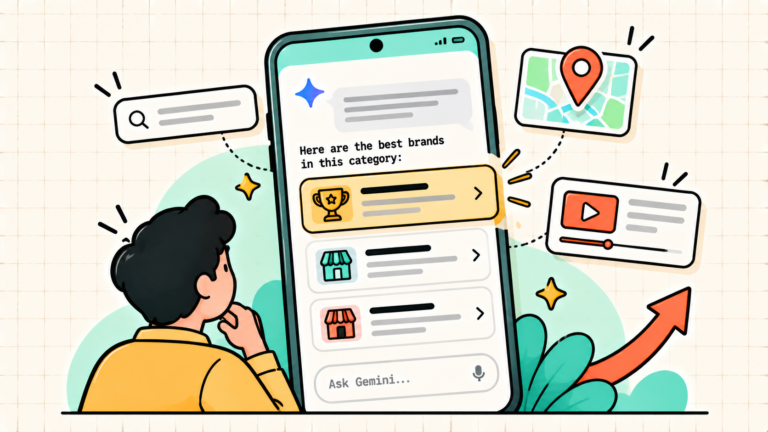
Most people now use AEO and GEO interchangeably, because voice-search answer optimization has largely folded into the same generative systems. When someone asks ChatGPT “best belly button oil brand in India” or “how much should Shopify SEO cost,” the engine builds one synthesized answer and cites a handful of sources. AEO/GEO is the discipline of becoming one of those cited sources.
The behavior shift is no longer theoretical. ChatGPT now serves roughly 800 million weekly active users. Google AI Overviews appear on a large share of search result pages and reach close to a billion people. Perplexity handles hundreds of millions of citation-forward queries a month.
The catch: high-intent buyers increasingly act on the AI answer directly — buying the product named, signing up for the tool referenced — without ever visiting a website. Research points to AI-referred traffic converting at multiples of standard organic. Fewer visitors, far higher intent. If you’re invisible inside AI answers, you lose that buyer silently.
One number worth internalizing: only about 11% of domains get cited by both ChatGPT and Perplexity. Ranking on one engine does not guarantee the other. Each engine has its own logic, so a platform-aware strategy matters.
| Dimension | SEO | AEO / GEO |
|---|---|---|
| Goal | Rank in the list of links | Get cited inside the AI answer |
| Unit of success | Position #1 | Citation share |
| Optimizes for | Keywords, backlinks | Clarity, structure, verifiable authority |
| Traffic pattern | Click-driven | Often zero-click, high intent |
| Content shape | Long build-up allowed | Answer-first, modular blocks |
The important point: GEO does not replace SEO. AI engines pull from indexed web content, so crawlability, content quality, and authority signals from classic SEO stay the foundation. The brands winning in AI search are usually the ones already strong in traditional search. GEO is a layer on top, not a swap.

AI engines that use real-time retrieval (Perplexity, AI Overviews) judge relevance largely on your opening content. Put a direct, complete 60–100 word answer at the top of every page and under every H2 — before any build-up. This “clean block” structure is what gets extracted.
LLMs ingest content as clean markup. Use descriptive H2/H3 headings that mirror the exact questions buyers type. Avoid deeply nested divs and JavaScript-rendered text tabs. Add FAQ sections with FAQPage JSON-LD schema — it’s the highest-impact structured data for AEO because each Q&A becomes a ready citation candidate.
The original Princeton GEO research found the strongest visibility gains came from adding statistics, citing sources, and including quotations — not keyword stuffing, which underperformed. Original research and proprietary data are the strongest citation magnets. Numbers per token is what AI answers pull.
Confirm your robots.txt isn’t blocking OAI-SearchBot, PerplexityBot, ClaudeBot, GPTBot, or Google-Extended. Many sites cut themselves off by accident. ChatGPT’s real-time search is powered by Bing, so submit your sitemap to Bing Webmaster Tools — most teams never do.
AI engines lean heavily on trusted mentions. Wikipedia and Reddit are among the most-cited sources across engines. Earn founder bylines, expert commentary, and genuine mentions in respected industry publications. Focus on relationships, not blast PR.
Outdated pages signal low trust and get downweighted. Show visible author, publish date, and update date. Refresh cornerstone content on a schedule.

Keyword rank alone won’t tell you if you’re cited. Use three layers:
chatgpt.com, perplexity.ai, and gemini.google.com.Expect a timeline: Perplexity indexes fastest (first citations in weeks), ChatGPT and AI Overviews follow, and citation share compounds over 3–6 months. Sites with strong existing SEO see results fastest.
Does AEO replace SEO?
No. AEO/GEO extends SEO into the AI answer layer. You need both — SEO for volume, AEO for high-intent AI citations.
What’s the fastest AEO win?
Add an answer-first 60–100 word summary at the top of your top pages plus FAQ schema. Perplexity often picks up the changes within weeks.
Which engine should I optimize for first?
Start with Perplexity — it’s the most citation-transparent and fastest to index — then layer in ChatGPT and Google AI Overviews.
Want your brand cited in AI answers, not just ranked on Google? LetMeRank builds SEO + AEO/GEO strategies for D2C and content-driven brands. Get in touch.