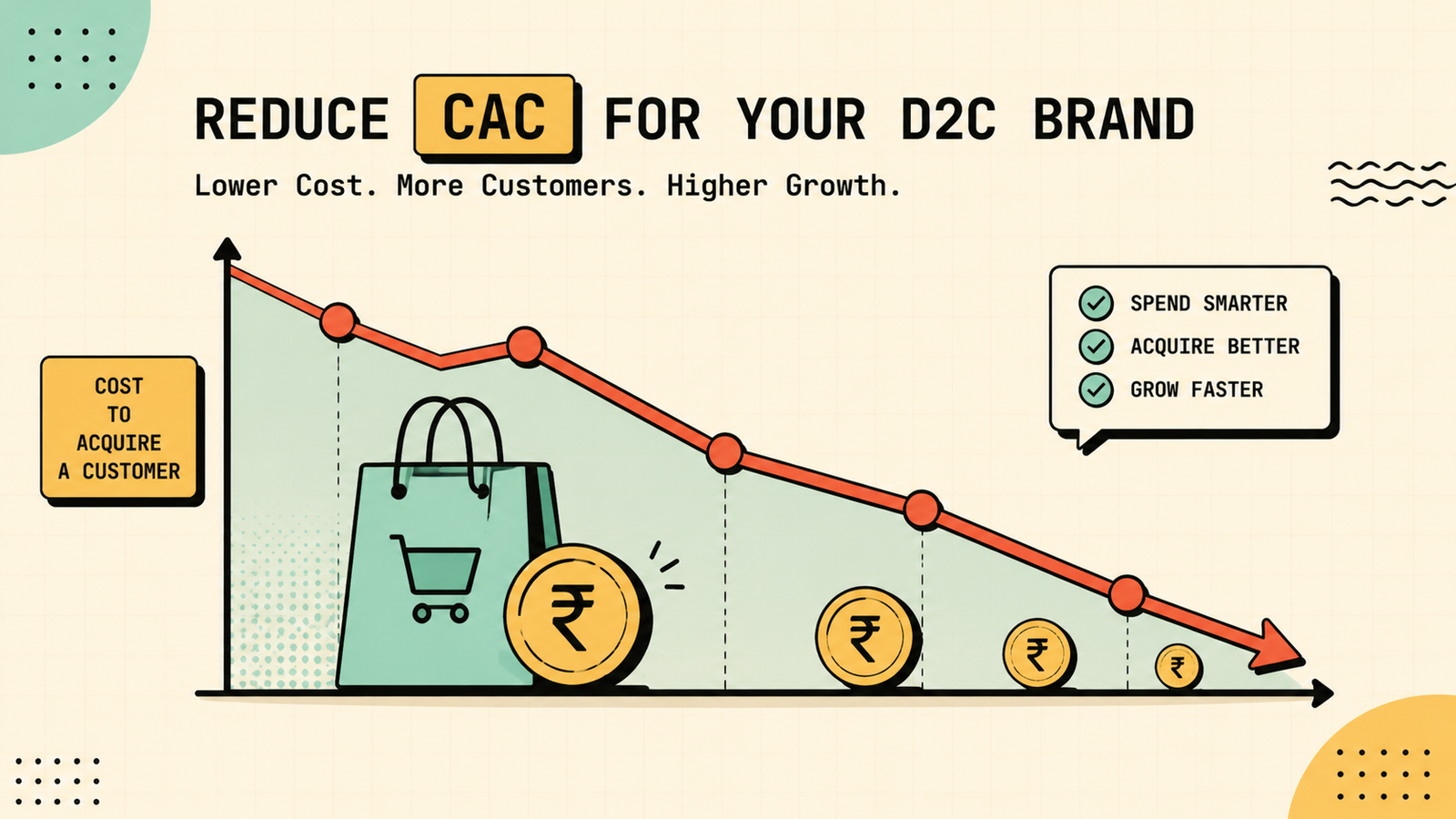
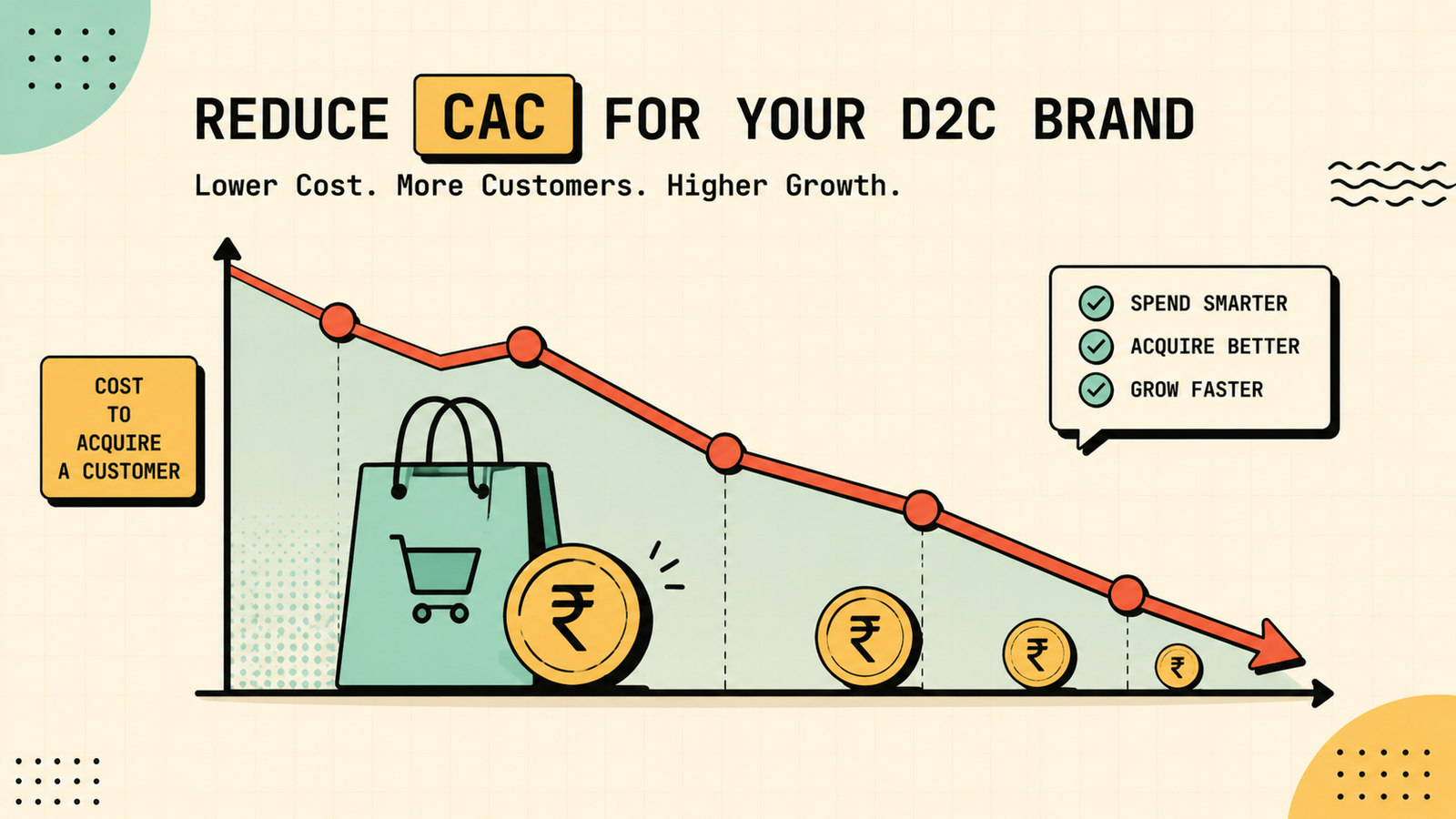
If every new customer costs you more this quarter than last, you don't have a growth problem; you have a CAC problem, and it's quietly eating your margin. For most D2C brands in 2026, rising ad costs are the single biggest threat to profitability. The good news is that CAC is one of the most fixable numbers in your business. Below is what CAC actually is, what a healthy number looks like, why yours is climbing, and nine proven ways to bring it down.
What is customer acquisition cost (CAC)?
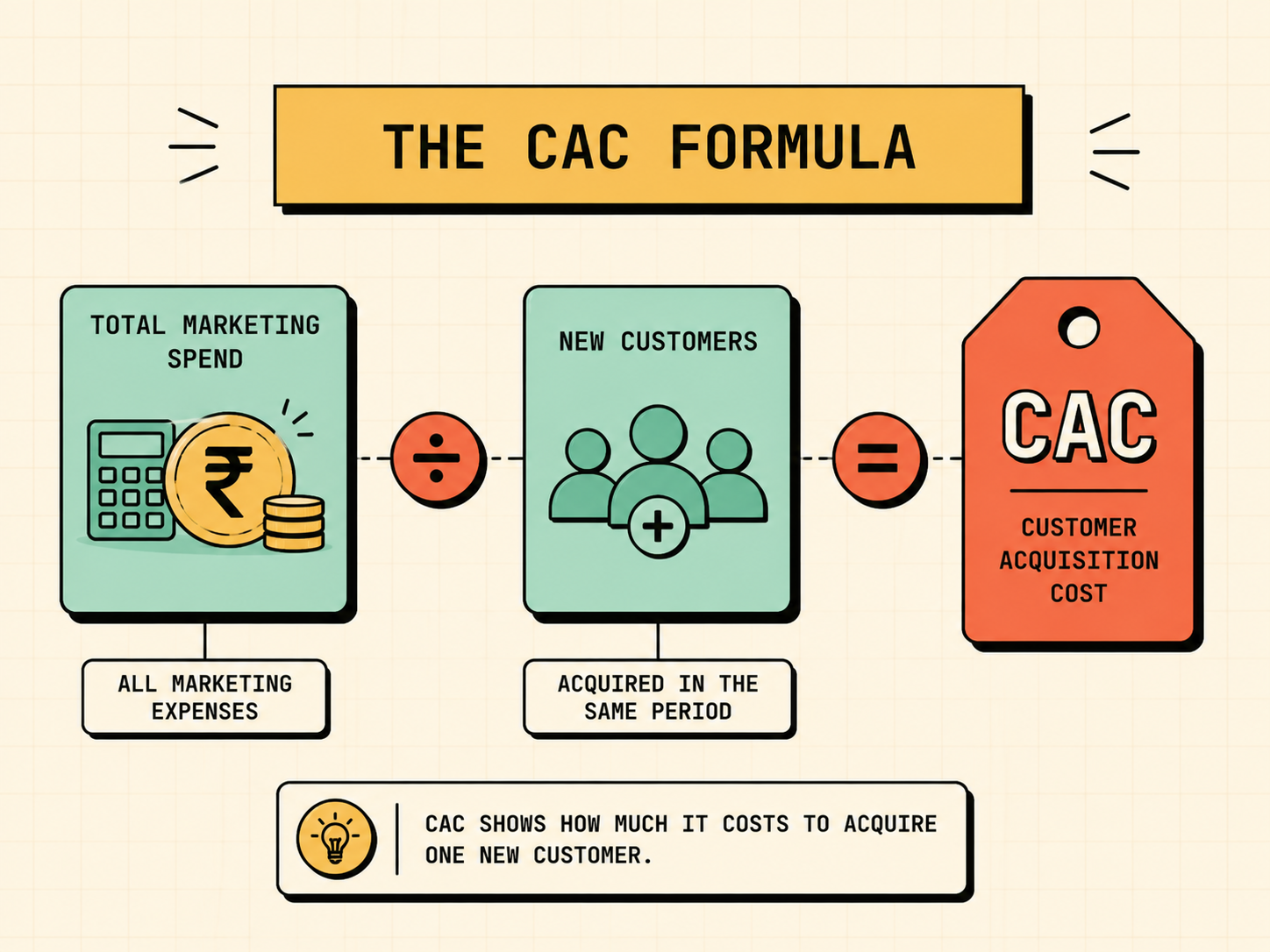
Customer acquisition cost is the total amount you spend to win one new customer. The formula is simple: CAC = Total sales and marketing spend ÷ Number of new customers acquired. If you spent ₹5,00,000 last month and gained 500 customers, your CAC is ₹1,000. "Blended CAC" includes every channel together; "paid CAC" isolates just your ad-driven customers, and it's usually the scary one.
SEO vs Paid Ads for Startups
What's a good CAC for a D2C brand?
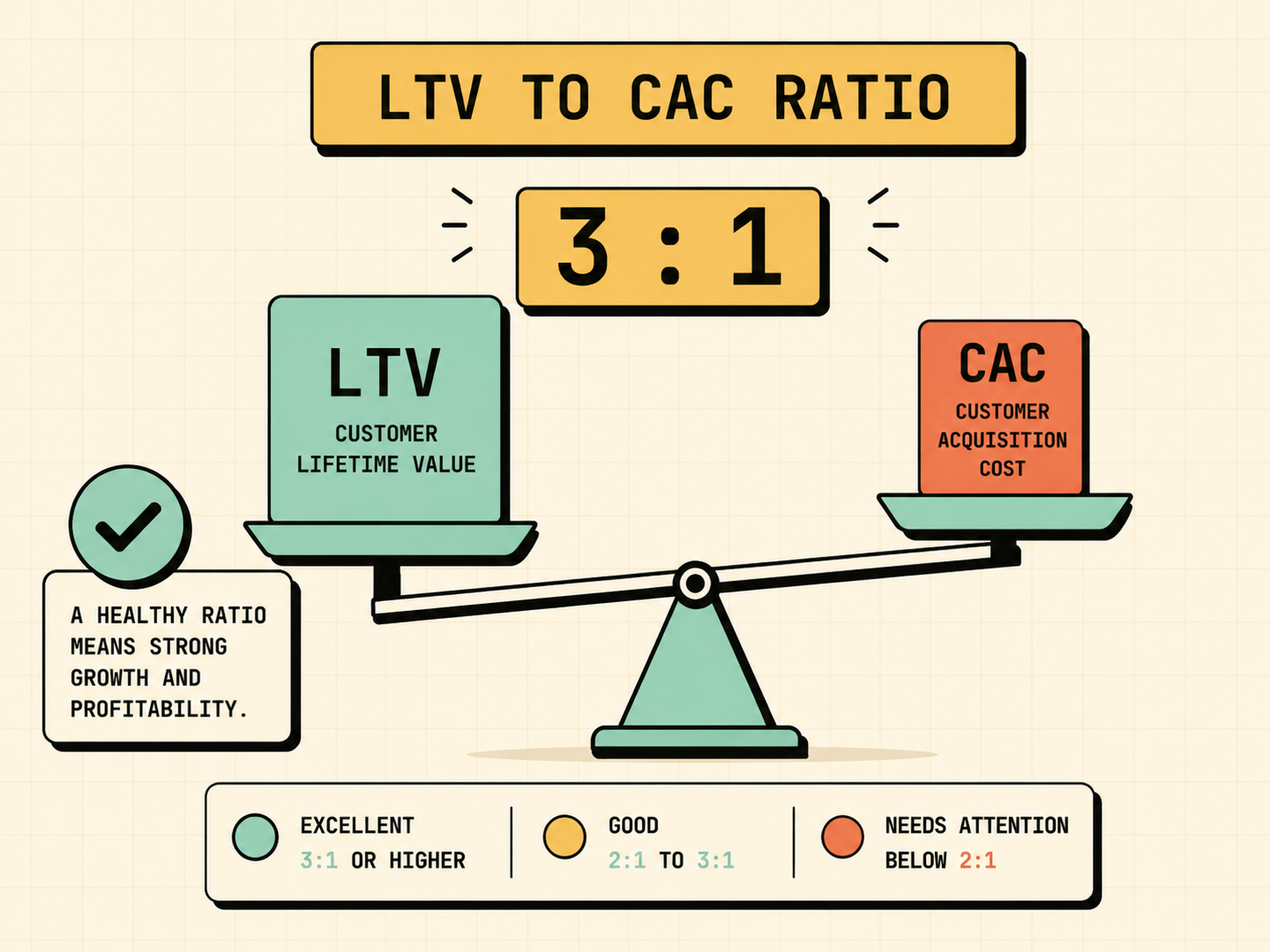
CAC alone means nothing; it only matters next to what a customer is worth. That's why the metric founders should obsess over is the LTV:CAC ratio (lifetime value ÷ acquisition cost).
| LTV:CAC ratio | What it means |
|---|---|
| Below 1:1 | You lose money on every customer. Unsustainable. |
| 1:1 - 2:1 | Barely breaking even; no room to reinvest. |
| 3:1 | The healthy benchmark; profitable and scalable. |
| 4:1 and above | Strong economics; you may even be under-investing in growth. |
Also watch your CAC payback period; how many months of a customer's revenue it takes to earn back what you spent acquiring them. Shorter payback means faster, safer scaling.
Why is your CAC rising?
A few usual suspects:
- Ad auction inflation - more brands bidding on the same audiences pushes costs up every year.
- Over-reliance on one channel - leaning entirely on Meta or Google leaves you exposed to their price hikes.
- Weak retention - if customers buy once and vanish, you keep paying to replace them.
- Poor conversion - you're paying for traffic that doesn't convert, so each sale costs more.
- Broad targeting - spending to reach people who were never going to buy.
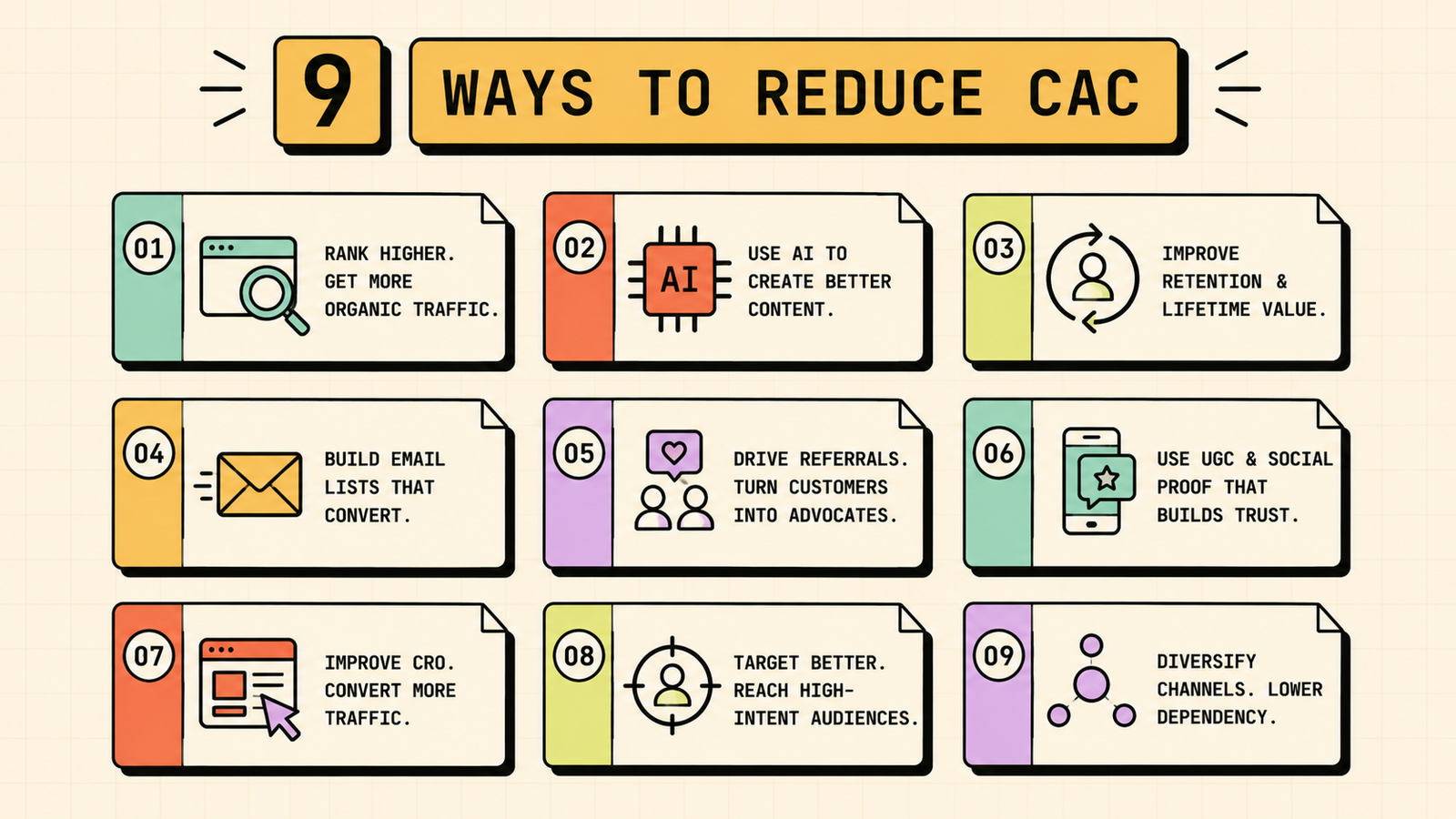
9 proven ways to reduce your CAC
Each of these lowers CAC from a different angle. You don't need all nine; pick the ones that fit your brand.
| # | Lever | How it lowers CAC |
|---|---|---|
| 1 | Organic search (SEO) | Builds an owned traffic channel whose cost-per-customer falls over time instead of rising. |
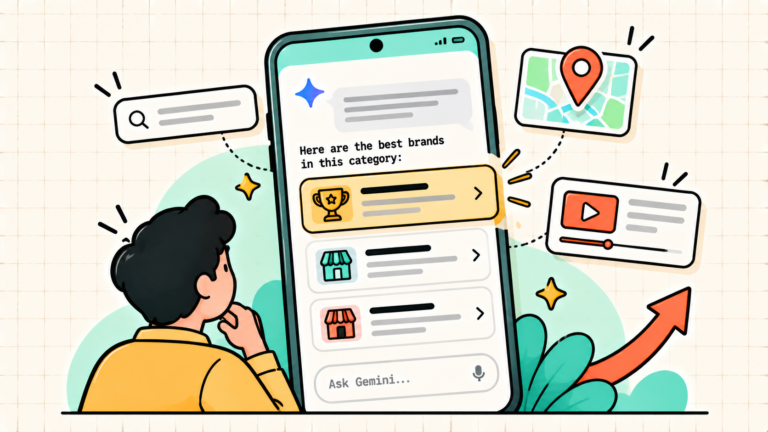
| 2 | AI search / GEO | Gets your brand cited in ChatGPT, Perplexity, and Google AI answers; free, high-intent discovery. |
| 3 | Retention and repeat purchase | A repeat customer costs almost nothing to re-acquire, pulling your blended CAC down fast. |
| 4 | Email and WhatsApp | Owned channels convert warm audiences at a fraction of paid-ad cost. |
| 5 | Referral programs | Existing customers bring new ones; the cheapest acquisition there is. |
| 6 | UGC and creator content | Authentic content converts better and cuts your creative and CPM costs. |
| 7 | Conversion rate optimization (CRO) | More sales from the same traffic means a lower cost per sale immediately. |
| 8 | Tighter targeting and offers | Stop paying to reach non-buyers; raise AOV so each acquisition is worth more. |
| 9 | Diversify channels | Reduce dependence on any one platform so a single price hike can't wreck your economics. |
The highest-leverage move for most founders is #1 and #2 together; organic and AI search. They take a few months to build, but once they compound, they keep delivering customers long after the spend stops.
12 Reasons Your Site Gets No Traffic
We'll show you exactly where your cheapest customers are hiding.
Get a clear, data-backed plan to lower your acquisition cost by building owned channels that compound over time.
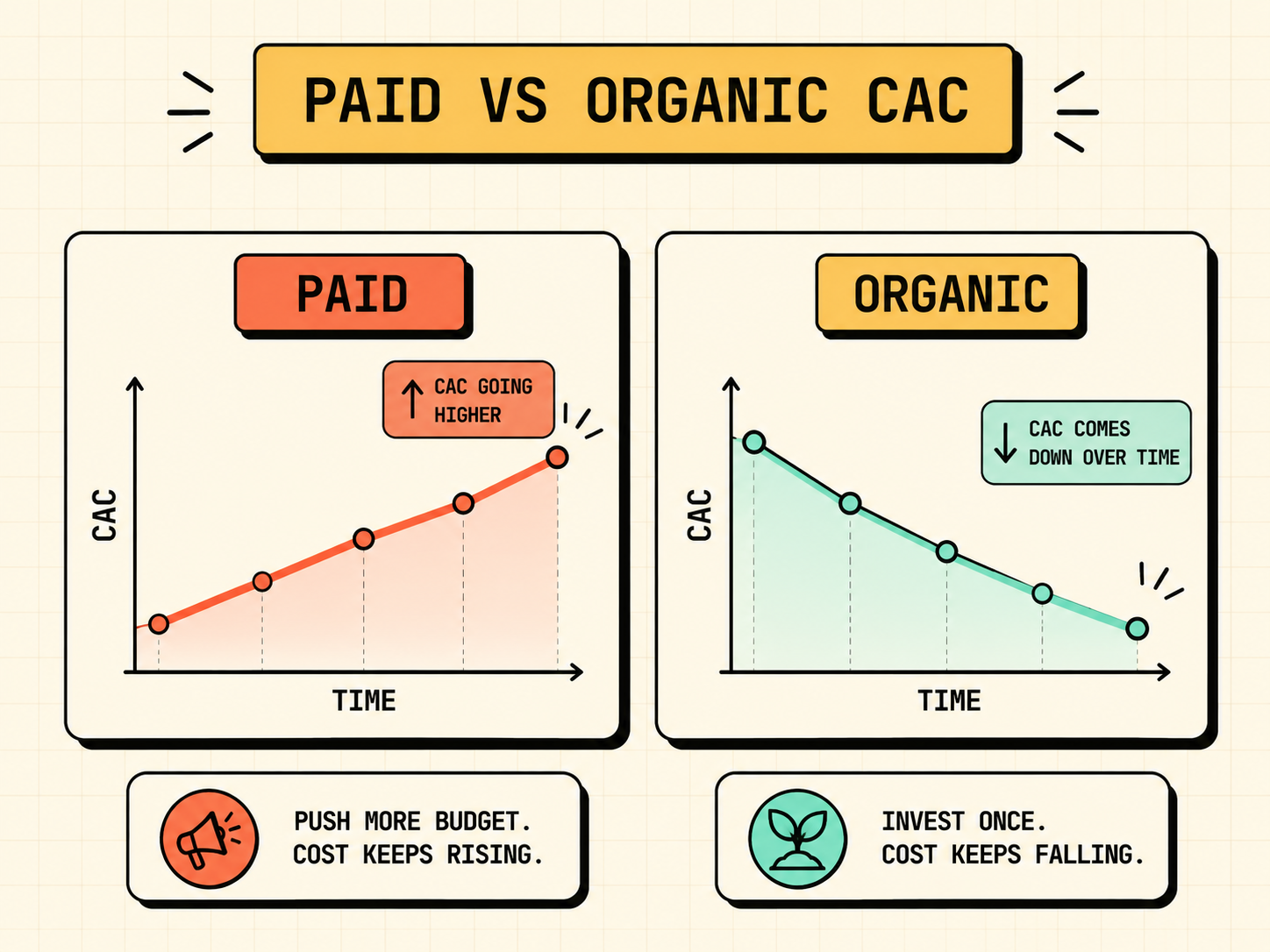
Paid vs organic CAC: why the gap matters
| Paid acquisition | Organic acquisition | |
|---|---|---|
| Cost over time | Rises as auctions inflate | Falls as content compounds |
| Traffic when you stop paying | Stops instantly | Keeps flowing |
| Time to results | Immediate | Builds over 3-6 months |
| Long-term CAC | High and volatile | Low and stable |
The smartest brands don't pick one; they use paid for speed while building organic to structurally lower blended CAC over time.
How to track CAC properly
Measure it monthly, and split it three ways: blended CAC (everything), paid CAC (ad-driven only), and CAC by channel (so you can see which sources are cheap and which are bleeding you). Pair every CAC number with LTV and payback period; a slightly higher CAC on a channel that brings loyal, high-LTV customers can be your best channel, not your worst.
LetMeRank
The bottom line for founders
You can't out-spend rising ad costs; you have to out-build them. Every rupee you move from rented audiences into owned channels (search, AI search, email, retention) permanently lowers what it costs to grow.
If your CAC is climbing and you want a clear plan to build organic and AI-search channels that bring it down, LetMeRank runs a free audit to show you exactly where your cheapest customers should be coming from.