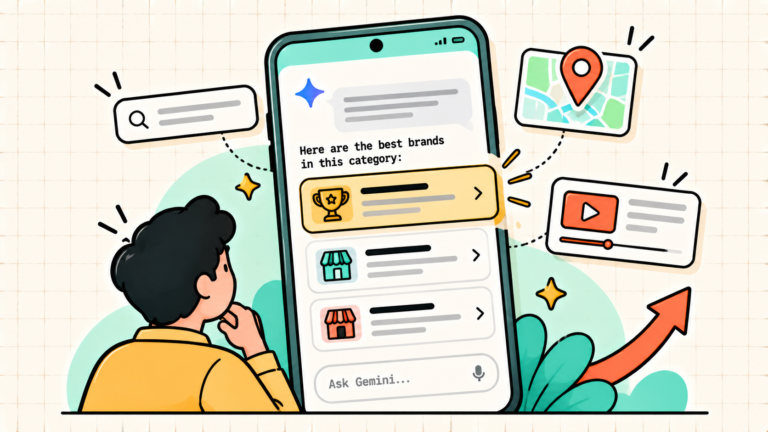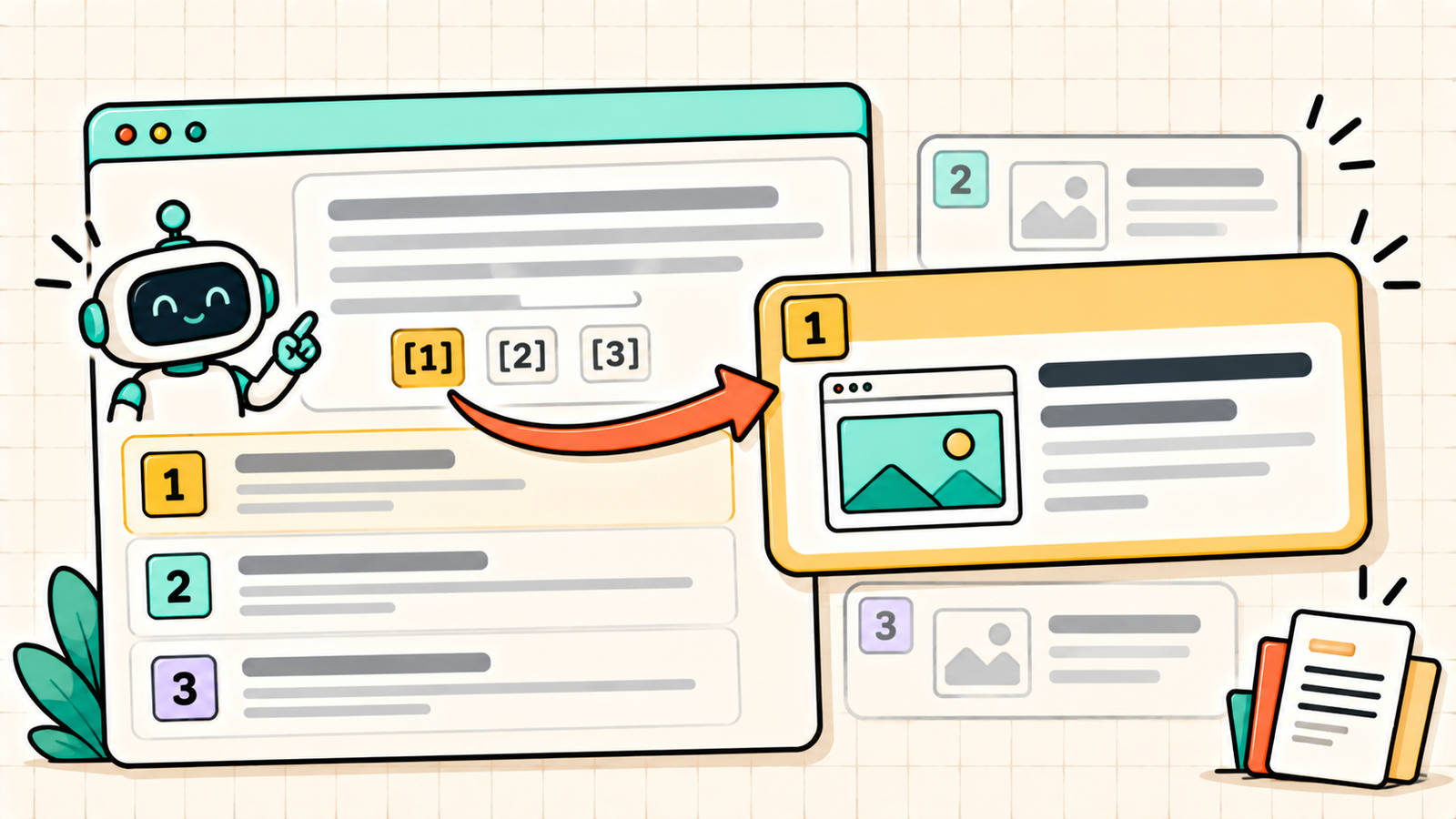
Perplexity does something Google never did: it shows its homework. Every answer comes with numbered sources, and users can see exactly which websites the answer was built from. That is a gift for brands. If your page is one of those numbered citations, you get visibility, credibility, and a click from someone who is actively researching. The question is how to become one of those sources.
This guide covers how Perplexity finds and chooses content, what Perplexity AEO (Answer Engine Optimization) actually involves, the page structure that gets cited, how to track your visibility, and the mistakes that keep brands out of Perplexity answers even when they rank on Google.
What is Perplexity AEO?
Perplexity AEO is the practice of optimising your website and brand presence so Perplexity cites your pages and mentions your brand when users ask questions in your category. It is a specific part of broader answer engine optimization, which also covers ChatGPT, Gemini, Google AI Overviews, and Copilot.
Perplexity is worth treating separately for two reasons. First, its users are research-heavy: professionals, founders, students, and buyers comparing options, which makes them high-intent visitors. Second, its citations are visible and clickable by design, so being cited sends real referral traffic, not just a passing mention.
How Perplexity finds and chooses sources
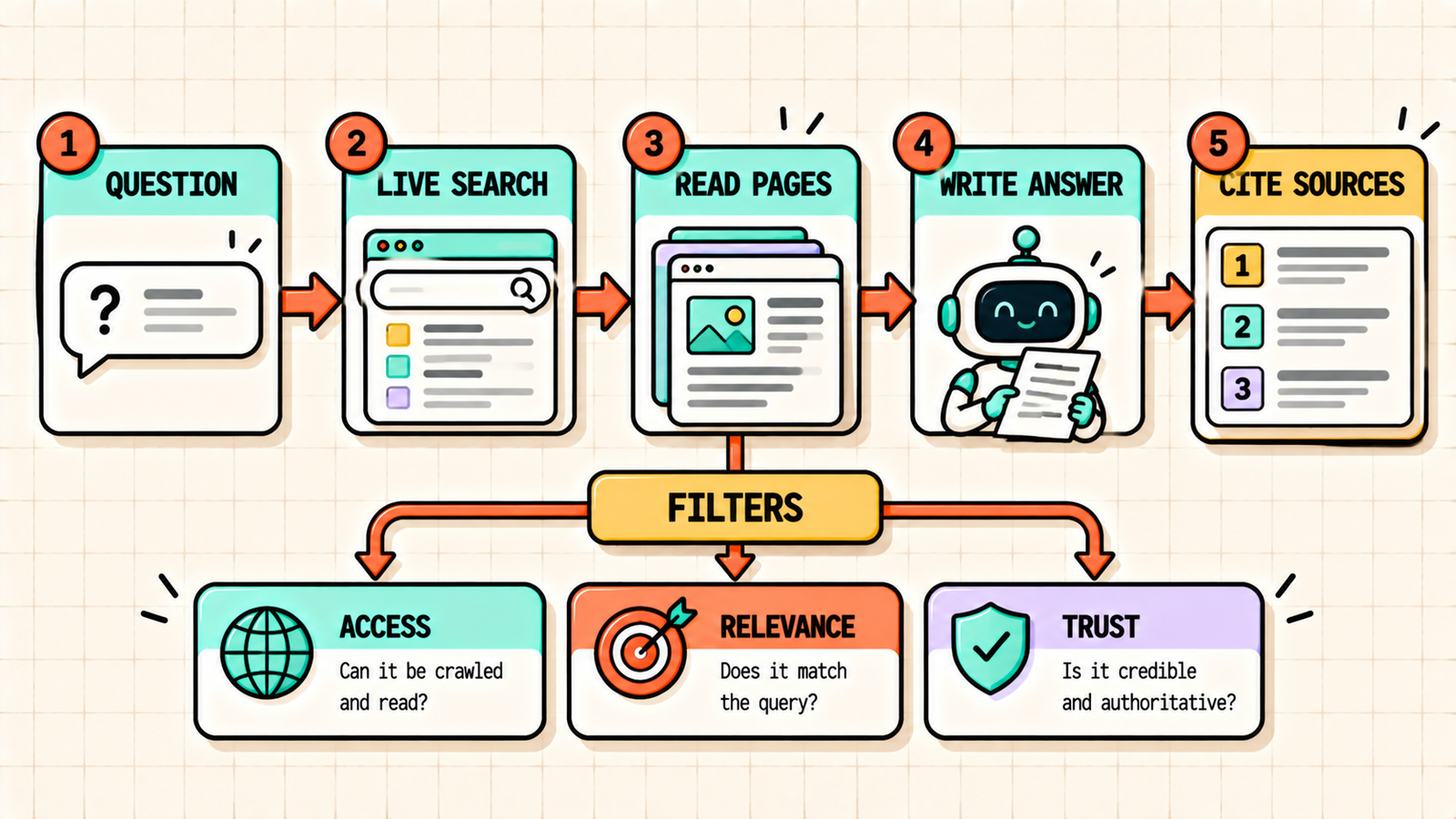
When someone asks Perplexity a question, it searches the web in real time, reads a set of relevant pages, and writes an answer that cites the pages it used. That means three things decide whether you get cited.
Can Perplexity access your page? Perplexity uses its own crawler, PerplexityBot, alongside web search. If your robots.txt blocks it, or your content is hidden behind heavy JavaScript, logins, or popups, you are invisible.
Is your page relevant to the exact question? Perplexity looks for passages that directly answer what was asked. A page that answers "best payment gateway for small business India" in a clear paragraph beats a page that mentions the topic in passing.
Does your page look trustworthy and current? Perplexity favours sources that are recent, specific, well-structured, and from sites that appear credible. Fresh dates, named authors, real data, and consistent information all help.
Perplexity AEO vs Google SEO
| Google SEO | Perplexity AEO | |
|---|---|---|
| What wins | A ranked page | A cited passage inside an answer |
| How content is used | User clicks and reads the page | Perplexity extracts and summarises specific passages |
| Freshness | Matters for some queries | Matters heavily; recent content is preferred |
| Visibility of sources | Ten blue links | Numbered citations next to the answer |
| Authority | Backlinks are a major factor | Credibility signals matter, but a clear, specific answer from a smaller site can still be cited |
| Measurement | Search Console | Prompt testing plus referral traffic from perplexity.ai |
The most important difference for a small or new site: Perplexity often cites pages that are not on Google's page one, as long as they answer the question clearly and specifically. That makes it one of the few places where a low-authority site can compete with big brands right now.
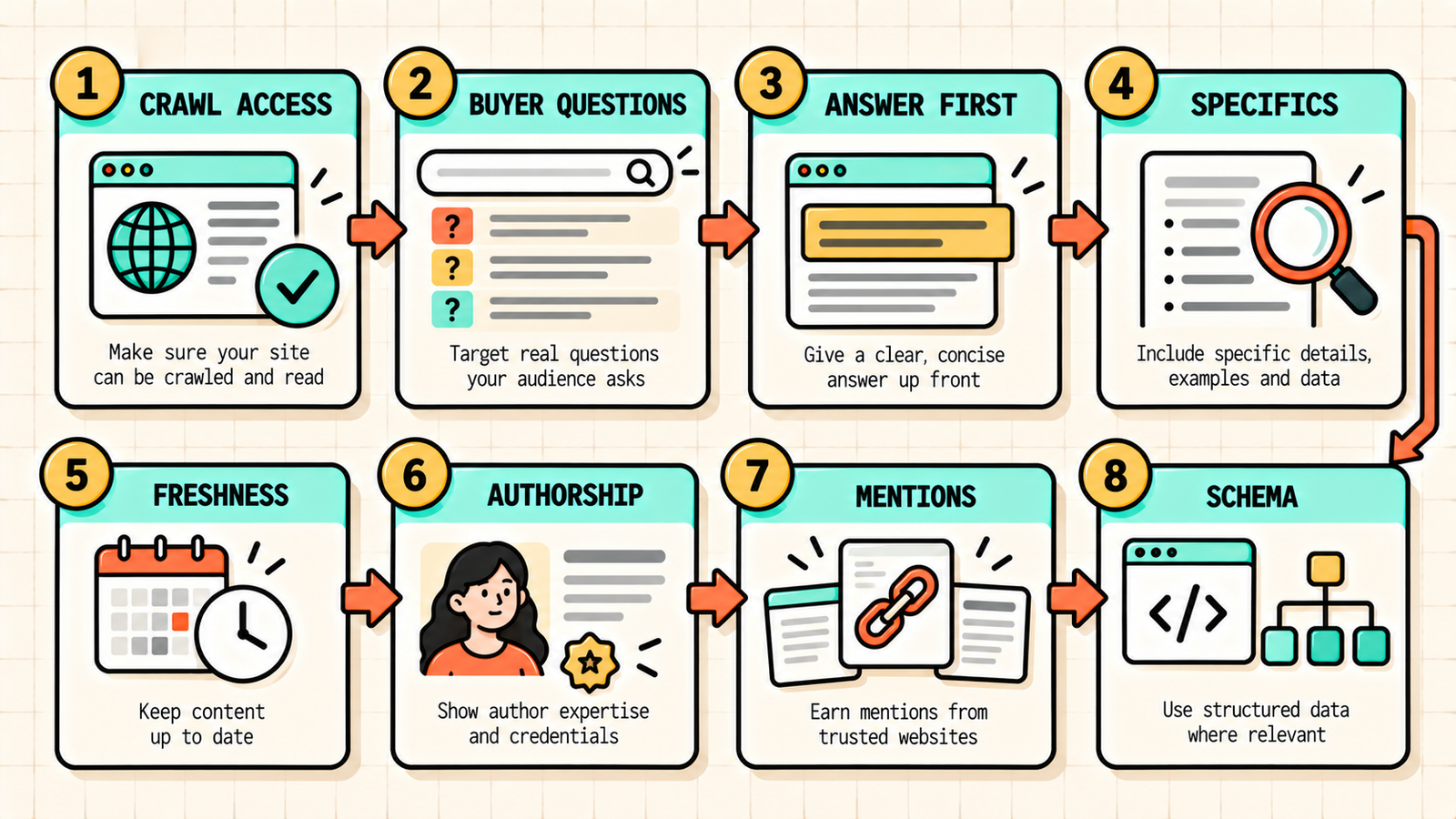
How to get cited by Perplexity: step by step
1. Check that Perplexity can crawl your site
Open your robots.txt (yourdomain.com/robots.txt) and make sure PerplexityBot is not disallowed. Many security plugins and CDN settings block AI crawlers by default. If you use Cloudflare, check its bot settings too. Then confirm your key content appears in the raw HTML, not only after JavaScript runs.
2. Find the questions your buyers ask
List 20 to 30 questions your buyers would type into Perplexity. Mix four types: category questions ("best SEO agency for edtech in India"), comparison questions ("[your brand] vs [competitor]"), problem questions ("why is my website not getting traffic"), and evaluation questions ("is [your brand] good"). These become both your content plan and your tracking list.
3. Write answer-first sections
For each question, create a section with the question as the heading and a direct two to three sentence answer immediately below it. Then expand with detail, examples, and data. Perplexity extracts passages, so the opening answer under each heading is the part most likely to be quoted. Avoid long introductions before you get to the point.
4. Add specifics Perplexity can quote
Vague content rarely gets cited. Specific content does: numbers, prices in rupees, timelines, step counts, named tools, comparison tables, and clear definitions. "Most fintech apps take 4 to 8 months to rank for long-tail loan keywords" is quotable. "SEO takes time" is not.
5. Show freshness
Add a visible "last updated" date and actually update key pages every few months. Perplexity prefers current information, especially for topics like tools, pricing, regulations, and AI. Updating statistics and examples on your best pages is one of the highest-return AEO tasks.
6. Make authorship and credibility obvious
Use a named author with a short bio showing relevant experience. Link to an About page. Cite reliable sources for factual claims. These signals help Perplexity, and the people reading its answers, trust your page.
7. Get mentioned where Perplexity already looks
Run your buyer questions in Perplexity and look at which sources it cites today. Those are the sites it trusts for your category: often review sites, comparison articles, industry blogs, Reddit threads, and news. Getting your brand mentioned on those sources, through guest posts, PR, reviews, and community participation, increases the chance Perplexity mentions you even when it cites someone else's page.
8. Use structured data
Add Organization, Article, FAQ, and Product schema where relevant. Schema does not guarantee a citation, but it makes your page easier for machines to interpret correctly.
We'll find out exactly whether Perplexity cites your brand today.
Get a clear, data-backed plan to become one of the sources Perplexity trusts, cite, and link to for your category.
What a Perplexity-friendly page looks like
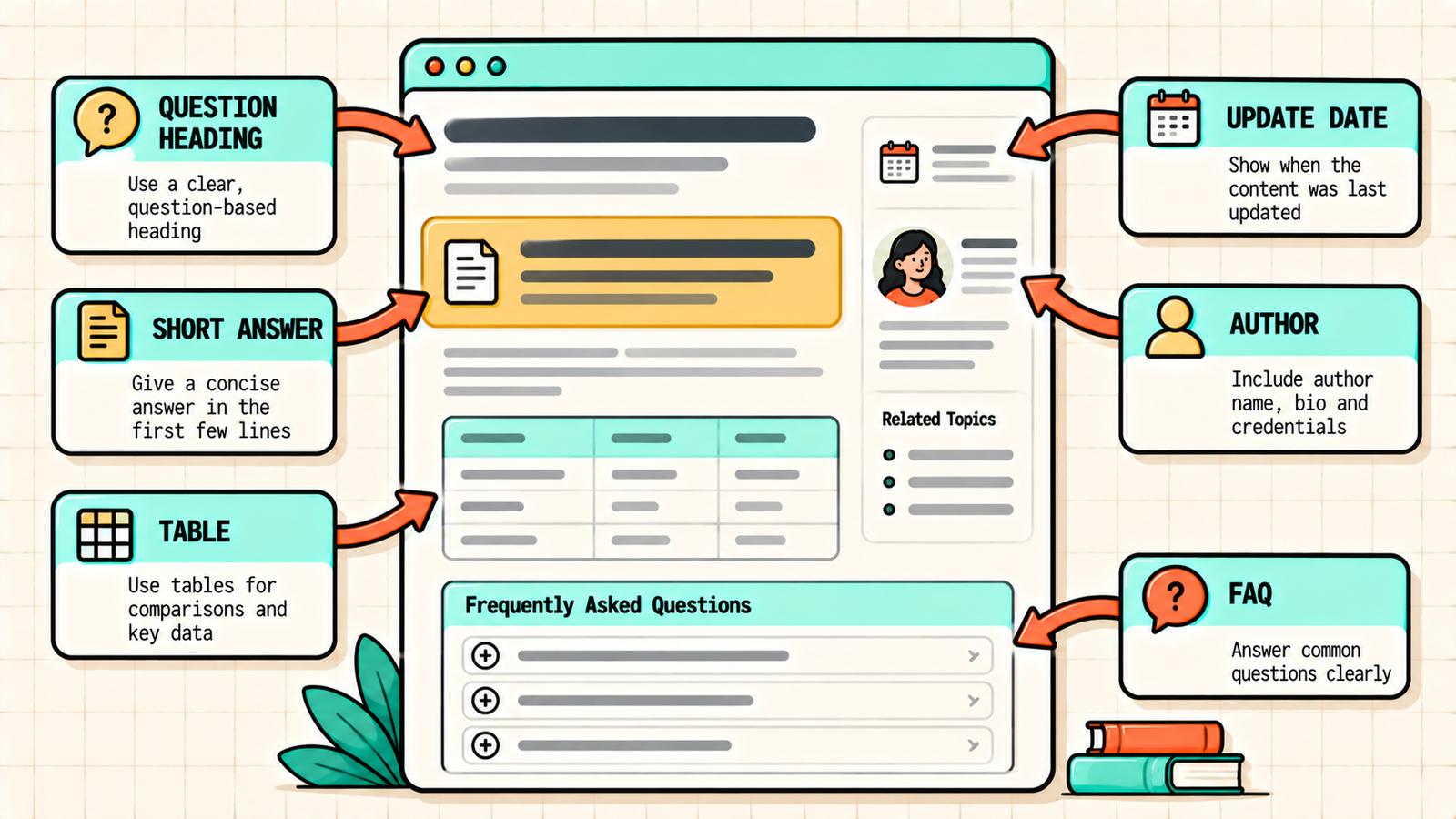
A page that gets cited usually has a few things in common. The title and first paragraph state exactly what the page answers. Headings are written as questions people actually ask. Each heading is followed by a short, complete answer. There is at least one comparison table or step list. Claims are specific and sourced. The page shows an author and an update date. It loads quickly and works without popups blocking the content. And it ends with a short FAQ that covers follow-up questions.
| Element | Why it helps citations |
|---|---|
| Question-based headings | Match how users phrase questions |
| Two to three sentence answers under each heading | Easy for Perplexity to extract and quote |
| Tables and step lists | Structured facts are simple to summarise |
| Specific numbers and examples | Quotable and more useful than generalities |
| Update date and named author | Freshness and credibility signals |
| FAQ section | Covers follow-up questions users ask next |
| Clean HTML, no blocking popups | Content is accessible to the crawler |
How to track your Perplexity visibility
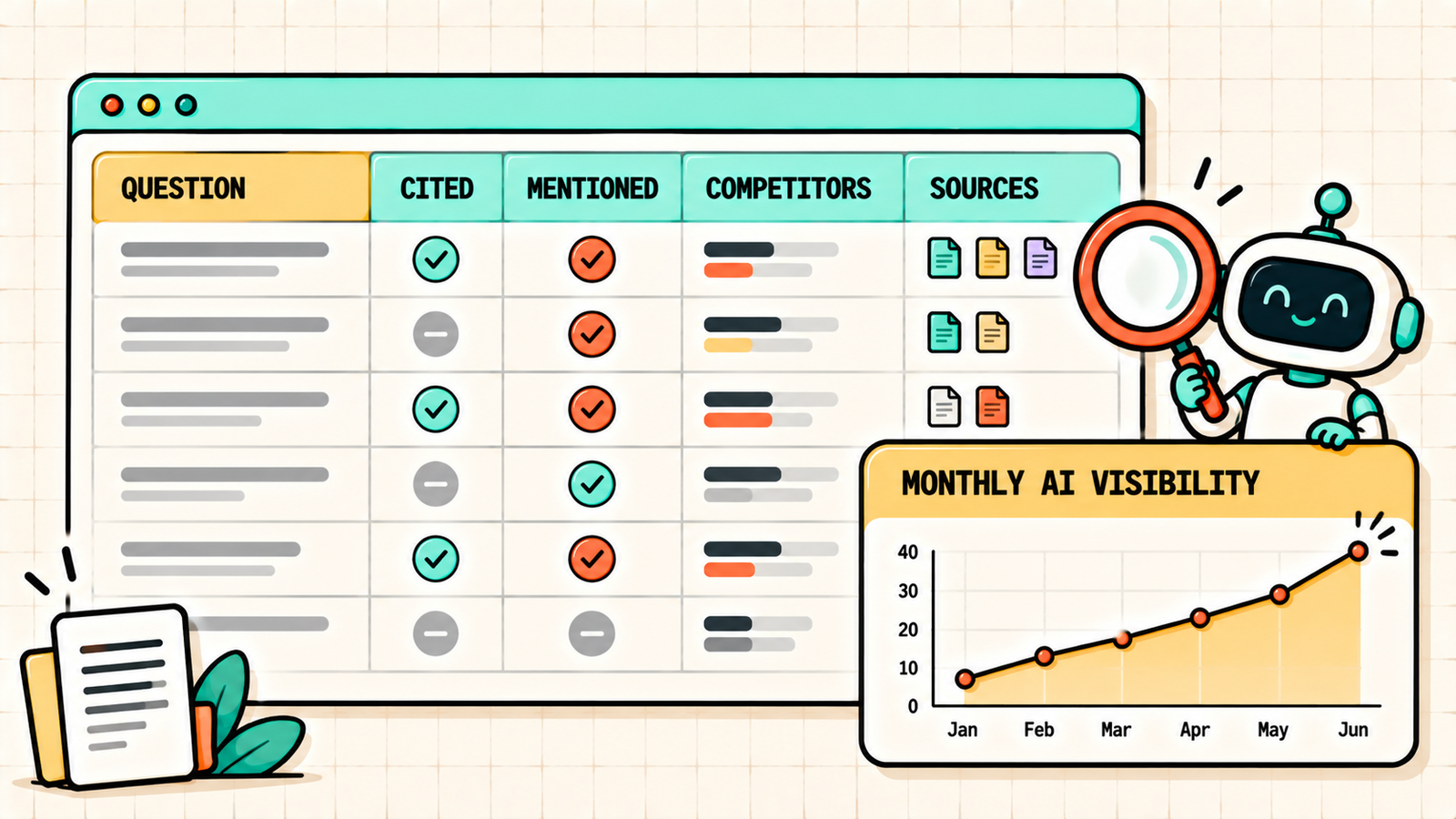
You do not need paid tools to start. Create a spreadsheet with your 20 to 30 buyer questions. Once a month, ask each one in Perplexity and record whether your site is cited, whether your brand is mentioned in the answer text, which competitors appear, and which sources are cited. Then check Google Analytics for referral traffic from perplexity.ai, which shows whether citations turn into visits. Over a few months, you will see which pages earn citations and which questions you still lose, which tells you exactly what to write or improve next.
Note that answers vary between sessions and over time, so a single test can mislead you. Look at patterns across the whole set of questions rather than reacting to one answer.
Perplexity AEO for Indian brands
Indian brands have an opening here. For many India-specific questions, such as pricing in rupees, local availability, Indian regulations, or regional use cases, Perplexity often has thin sources to choose from. A brand that publishes clear, India-specific answers can become a default citation quickly. Include rupee pricing, Indian city and state context, GST or regulatory details where relevant, and comparisons with brands Indian buyers actually consider. Specificity that global competitors skip is your advantage.
Start with pages you already have
You do not need to write everything from scratch. Take your five most important existing pages and restructure them: rewrite headings as questions, add a direct two to three sentence answer under each, add one comparison table, refresh any outdated numbers, add an update date and author, and finish with a short FAQ. Restructuring existing pages is faster than writing new ones, and pages that are already indexed can start being cited sooner.
How long does Perplexity AEO take?
Because Perplexity searches in real time, changes can show up faster than in Google. A well-structured, specific page on a narrow question can start getting cited within weeks of being indexed. Broader category questions take longer, because they depend on your overall credibility and mentions across the web, which build over months. Treat it as two tracks: quick wins from answer-first pages on specific questions, and slower gains from building brand mentions.
Common Perplexity AEO mistakes
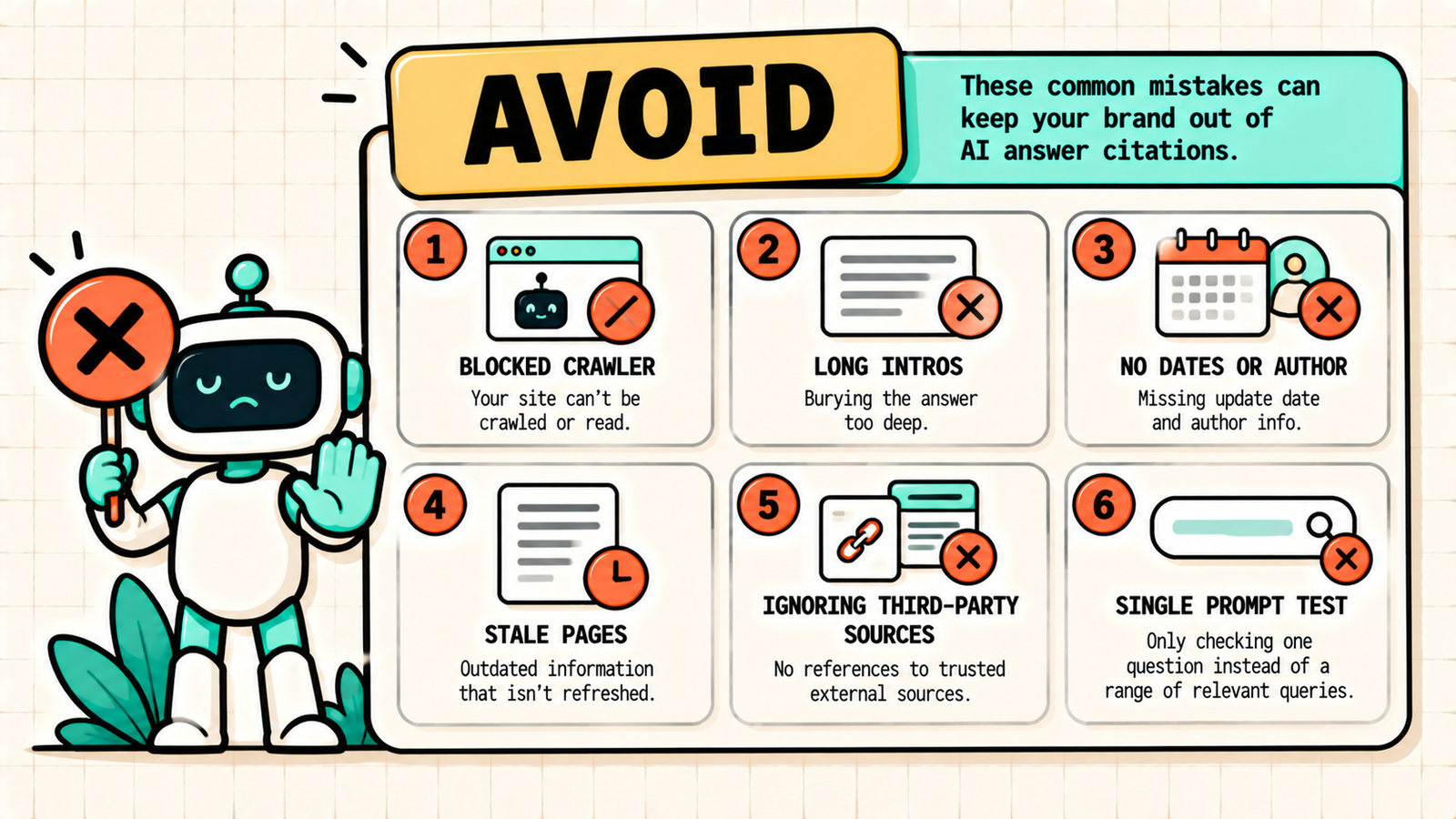
A few patterns keep brands out of Perplexity answers. Blocking PerplexityBot by accident through a security plugin or CDN setting is surprisingly common. Writing long, vague introductions buries the answer Perplexity is looking for. Publishing content with no dates, no author, and no sources makes pages look less trustworthy. Never updating pages lets competitors with fresher content take the citation. Focusing only on your own site ignores the third-party sources Perplexity already trusts. And judging results from one prompt instead of a full question set leads to wrong conclusions.
AEO Services: How to Get Your Brand Cited by ChatGPT, Gemini and Perplexity
The bottom line
Perplexity AEO is about becoming one of the numbered sources Perplexity cites. Make sure PerplexityBot can crawl your site, build content around the exact questions your buyers ask, put direct and specific answers under question headings, show freshness and authorship, get mentioned on the sources Perplexity already trusts, and track a fixed set of questions every month. It is one of the few channels where a newer site with genuinely clear, specific answers can compete with much larger brands.
If you want to know whether Perplexity, ChatGPT, and Gemini mention your brand today, LetMeRank runs AI visibility audits for Indian D2C, edtech, and fintech brands, starting with a free check of your top buyer questions.